Are Fitness Trackers Worth It? The Truth About Smartwatches, Calorie Tracking, and Motivation
Pam Eamranond
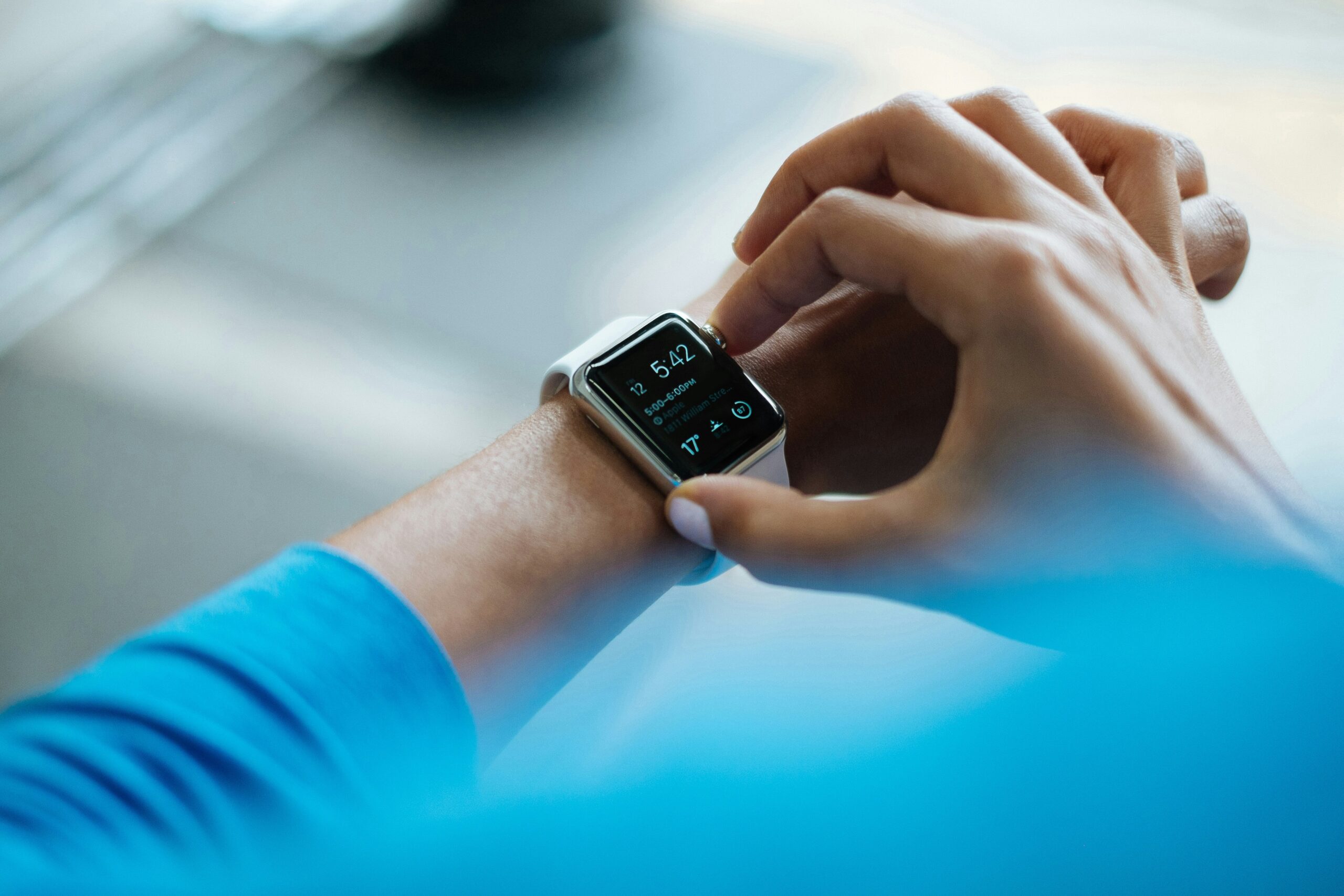
Walk into almost any gym today and you’ll see wrists covered with smartwatches and fitness trackers.
Apple Watch. Garmin. Fitbit. WHOOP. Oura Ring.
These wearable devices promise to track everything from your heart rate and calories burned to your sleep quality, recovery, and readiness to train.
With so much data available, it’s easy to assume that more information automatically leads to better results.
But that’s not always true.
The better question isn’t, “What’s the best fitness tracker?”
It’s:
“Is a fitness tracker the right tool for me?”
For some people, wearable technology becomes a powerful source of motivation. For others, it creates unnecessary stress, anxiety, and the feeling that they’re constantly falling short.
Understanding the difference can help you decide whether tracking your health is helping, or hurting your progress.
Fitness Trackers Can Be Great Motivators
For many people, fitness trackers provide immediate feedback that encourages healthier habits.
Seeing your daily step count, workout minutes, heart rate, or sleep trends can make progress feel tangible. Small victories, like closing activity rings or reaching a daily step goal, often provide enough motivation to stay consistent.
Fitness trackers can also improve accountability by helping you:
- Monitor daily activity
- Track workout consistency
- Identify sleep patterns
- Observe resting heart rate trends
- Build healthy routines over time
For people who enjoy data, these insights can be incredibly valuable.
They Can Increase Awareness of Your Health
One of the greatest benefits of wearable technology is awareness.
Many people have no idea how much, or how little, they move during the day until they begin tracking it.
Likewise, noticing changes in resting heart rate, sleep duration, or recovery trends can encourage healthier behaviors long before serious health problems develop.
Many newer devices also include features that support women’s health, including menstrual cycle tracking, pregnancy insights, and menopause-related symptom tracking.
When viewed over weeks and months, these trends can provide useful information about your overall health.
The Hidden Downside of Constant Tracking
Not everyone responds positively to health data.
Behavioral research has found that some people begin attaching their self-worth to the numbers on their devices.
Instead of viewing data as information, they interpret it as a judgment.
A poor night’s sleep.
A missed workout.
A higher body weight.
A lower recovery score.
Suddenly, one imperfect day feels like personal failure.
Behavioral scientist Dr. Kayla Nuss, who studies wearable fitness technology and exercise motivation, has found that this is more likely to happen when people:
- Exercise because they feel forced to.
- View physical activity as punishment.
- Work out primarily to avoid guilt rather than improve their health.
For these individuals, a fitness tracker may actually reduce motivation instead of increasing it.
Fitness Trackers Aren't Perfectly Accurate
One of the biggest misconceptions about fitness trackers is that they accurately measure calories burned.
Unfortunately, they don’t.
While most devices do a reasonable job estimating steps and heart rate, calorie expenditure is much more difficult to calculate accurately.
Research has found that many wearable devices can have calorie-counting errors exceeding 25%, with some studies reporting inaccuracies approaching 100% depending on the activity being performed.
That’s because calorie burn depends on dozens of variables, including:
- Body composition
- Exercise intensity
- Fitness level
- Movement efficiency
- Environmental conditions
- Individual metabolism
No watch can measure all of these factors perfectly.
If your device says you burned 700 calories during a workout, think of it as an estimate, and not permission to eat an extra 700 calories.
There Are Better Ways to Measure Progress
The scale and your smartwatch aren’t the only indicators of success.
In fact, many of the most meaningful improvements in health never appear on a wearable device.
Ask yourself:
- Are you getting stronger?
- Do your clothes fit better?
- Do you have more energy?
- Are you sleeping better?
- Are you recovering faster?
- Do everyday activities feel easier?
- Are you more confident?
These victories often matter far more than closing an activity ring.
Should You Buy a Fitness Tracker?
The answer depends on your personality.
A fitness tracker can be an excellent investment if it helps you:
- Stay accountable.
- Build healthy habits.
- Increase daily movement.
- Learn about your recovery.
- Stay motivated.
But if checking your watch creates stress, guilt, or anxiety, it may be worth taking a break from tracking - or using fewer metrics.
Technology should support your health, not control it.
Fitness trackers are tools, not solutions.
They can increase awareness, encourage consistency, and help you build healthier habits, but they also have limitations. Calorie estimates are often inaccurate, and constant tracking isn’t beneficial for everyone.
The most successful people use wearable technology to inform their decisions, and not define their success.
At CrossFit 626, we encourage our members to focus on what truly matters: building strength, improving fitness, eating well, recovering properly, and staying consistent. Whether you wear the latest smartwatch or no tracker at all, lasting health comes from sustainable habits, not perfect data.