What Body Fat Percentage Do You Need to See Your Abs? A Guide for Men and Women
Pam Eamranond
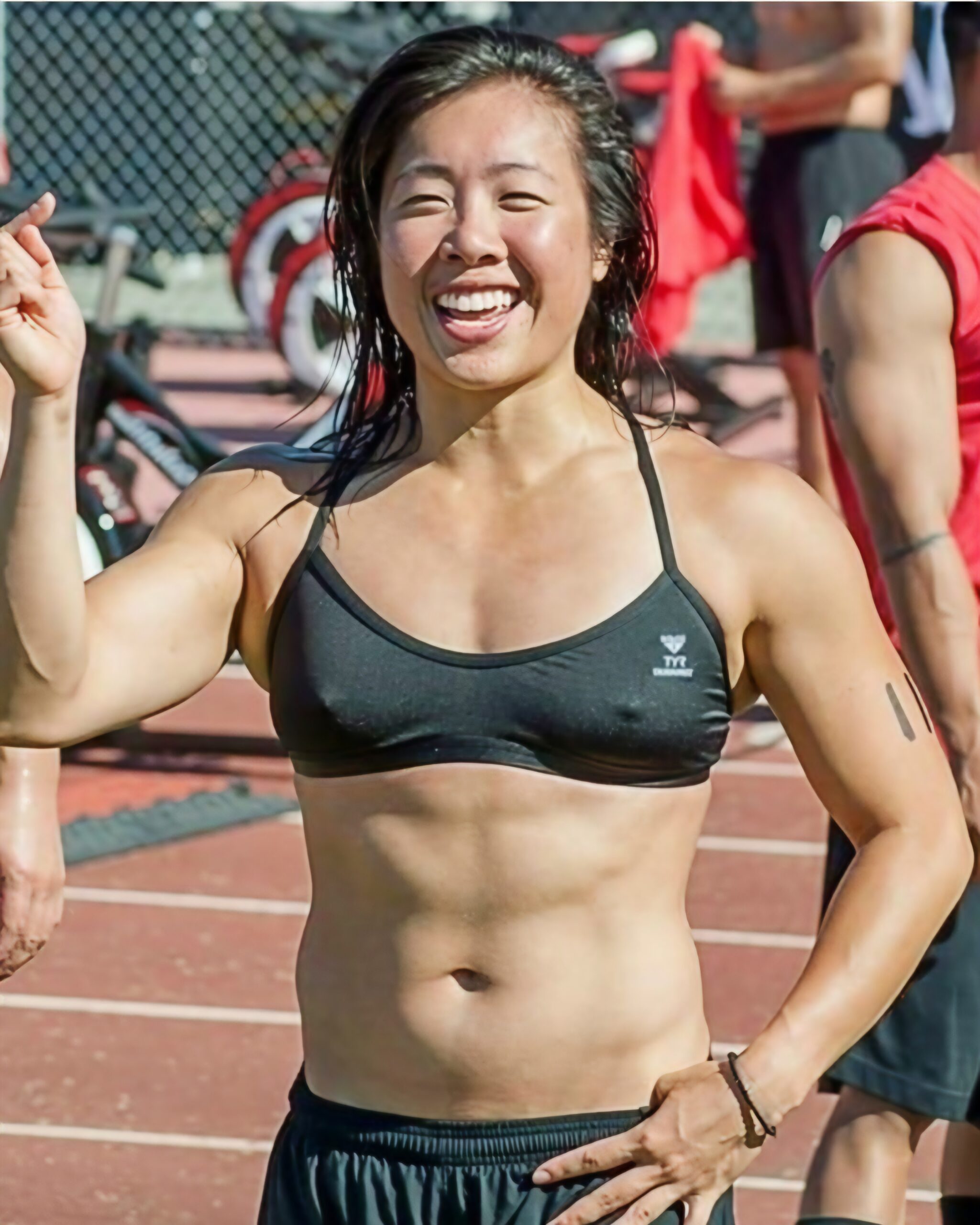
If you’ve ever wondered “What body fat percentage do I need to see my abs?”, you’re not alone.
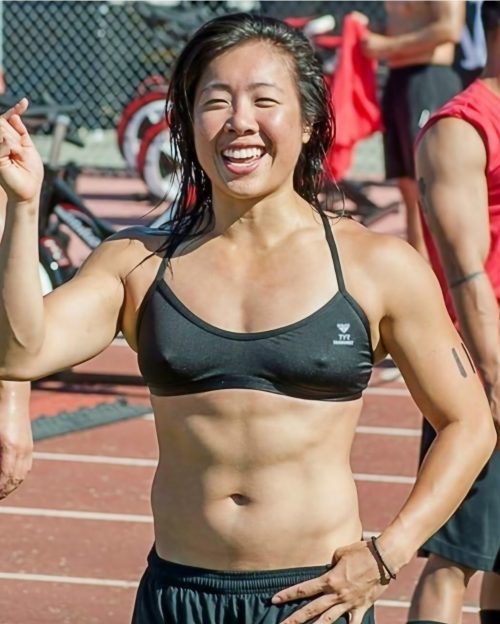
Visible abs are often treated as the ultimate sign of fitness. But the reality is more complicated. Two people with the same body fat percentage can look completely different, and having visible abs doesn’t necessarily mean you’re healthier.
Your abdominal definition depends on a combination of body fat, muscle development, genetics, fat distribution, and even hydration and digestion.
So before you start doing hundreds of crunches every day, let’s look at what actually determines whether your abs become visible.
What Is Body Fat Percentage?
Body fat percentage is the proportion of your total body weight that comes from fat.
Unlike body weight or BMI alone, body fat percentage gives you more information about your overall body composition, the relationship between fat mass and lean mass.
Not all body fat is bad. Your body needs a certain amount of fat to support normal physiological functions, including hormone production, energy storage, insulation, and absorption of fat-soluble vitamins.
There are two major types of stored body fat:
Subcutaneous Fat
Subcutaneous fat is stored directly beneath the skin.
This is the type of fat that has the greatest effect on how defined your muscles appear. As subcutaneous fat decreases, the muscles underneath - including your rectus abdominis - become easier to see.
Visceral Fat
Visceral fat surrounds your internal organs.
Unlike subcutaneous fat, you can’t see visceral fat directly. However, excessive visceral fat is associated with an increased risk of several metabolic and cardiovascular health problems.
When Do Abs Start to Show?
There’s no single body fat percentage that guarantees visible abs.
That number varies considerably based on genetics, muscle size, fat distribution, sex, age, and how developed your abdominal muscles are.
As a general guideline, abdominal definition tends to become increasingly visible as body fat decreases.
For Men
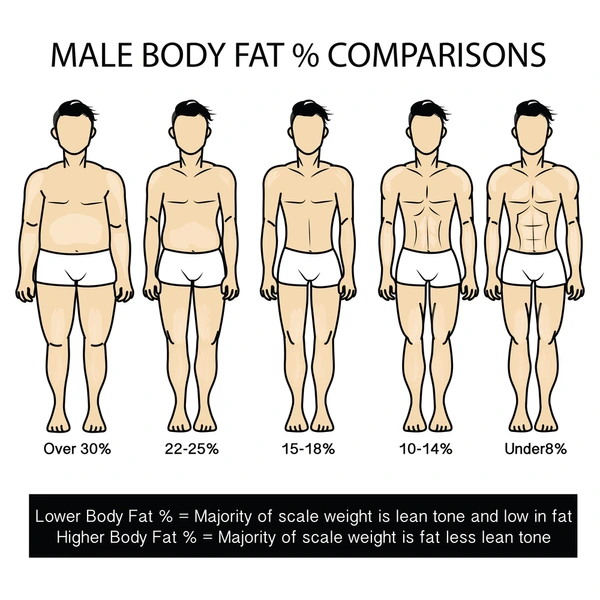
Some men may begin seeing abdominal definition around 14–15% body fat, although individual variation is substantial.
A rough progression might look like:
- 15–17%: Some upper-ab definition may be visible
- 12–14%: More noticeable abdominal outlines
- 10–12%: A clearly defined six-pack may be visible
- Below 10%: Very pronounced definition may occur
These numbers are estimates, not health targets. Some men will have visible abs at higher body fat percentages, while others may need to be leaner.
For Women
Women naturally carry more essential body fat than men because of biological and reproductive requirements.
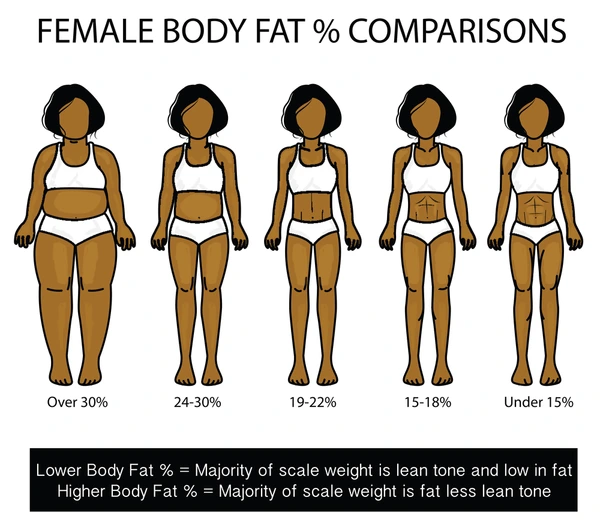
Some women may begin seeing abdominal definition around 20–24% body fat, while more pronounced definition may occur at lower levels.
As a rough guideline:
- 22–24%: Some abdominal definition may be visible
- 19–21%: More noticeable definition
- 16–18%: Pronounced abdominal definition may occur
- Below 16%: Very lean and highly defined appearance
However, lower is not always better.
For women in particular, aggressively pursuing extremely low body fat can interfere with normal reproductive function, bone health, energy availability, and overall health.
Visible abs should never come at the expense of your health.
Why Some People Have Visible Abs at Higher Body Fat Percentages
Have you ever noticed someone with visible abs who doesn’t look exceptionally lean?
Genetics and muscle development play a major role.
Fat Distribution
Everyone stores fat differently.
Some people naturally store more fat around their abdomen, while others carry more around their hips, thighs, or other areas.
You can’t choose where your body loses fat first.
Abdominal Muscle Development
Bigger abdominal muscles are easier to see.
If you’ve consistently trained your core with resistance, your rectus abdominis and obliques may be more pronounced even when your body fat percentage is relatively high.
Muscle Insertions and Shape
The appearance of your abs is also influenced by genetics.
The number, shape, and spacing of the tendinous intersections in the rectus abdominis vary from person to person.
That’s why some people naturally have a symmetrical six-pack while others may have a different abdominal pattern - even at the same body fat percentage.
Other Factors That Affect Ab Definition
Body fat isn’t the only thing that changes how your abs look from one day to the next.
Hydration
Changes in hydration and water retention can temporarily affect muscle definition.
Digestion
A large meal, bloating, or gastrointestinal issues can make your midsection appear less defined temporarily.
Lighting
Lighting can dramatically change the appearance of muscle definition. The same person can look noticeably different under different lighting conditions.
Posture
Your posture also affects how your abdominal muscles appear. Standing tall and engaging your core can create a very different appearance than slouching.
Age
As we age, changes in muscle mass, hormones, skin elasticity, and fat distribution can influence body composition and muscle definition.
How Should You Measure Body Fat?
If you’re tracking changes in body composition, remember that no body fat measurement method is perfectly accurate.
Different methods have different limitations.
Bioelectrical Impedance Analysis (BIA)
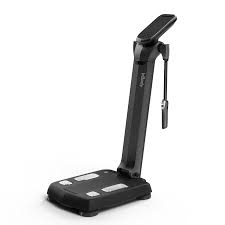
Devices such as InBody use electrical impedance to estimate body composition.
They’re convenient and can provide useful information about trends in body fat and lean mass.
However, hydration, food intake, exercise, and other factors can affect the results.
For the best results, measure under similar conditions each time.
DEXA
DEXA uses low-dose X-rays to estimate bone mineral content, lean tissue, and fat mass.
It can provide detailed regional information and is generally considered a highly useful method for assessing body composition, but it isn’t completely error-free.
Skinfold Calipers
Skinfold testing estimates body fat by measuring the thickness of subcutaneous fat at specific locations.
Accuracy depends heavily on the skill and experience of the person performing the measurements.
Tape-Measure Methods
Waist, hip, neck, and height measurements can be used in various equations to estimate body fat percentage.
These methods are inexpensive and convenient but are still estimates.
The Most Important Point
Don’t become obsessed with a single body fat number.
Look at trends over time.
If your waist measurement is decreasing, your strength is holding steady, your clothes fit differently, and progress photos show changes, you’re making progress - even if one body composition measurement doesn’t change exactly as expected.
How to Get More Visible Abs
Getting visible abs requires more than abdominal exercises.
You need to build the muscle while gradually reducing the amount of fat covering it.
1. Create a Sustainable Calorie Deficit
If you’re carrying more body fat than you’d like, fat loss generally requires a sustained calorie deficit.
That doesn’t mean starving yourself.
A moderate deficit is usually easier to maintain than an aggressive diet and makes it easier to preserve muscle while losing fat.
Focus on:
- Appropriate portion sizes
- Mostly minimally processed foods
- Adequate protein
- Plenty of fruits and vegetables
- High-fiber foods
- Consistent eating habits
Your results over several weeks matter more than what happens on any individual day.
2. Eat Enough Protein
Protein is particularly important during fat loss because it helps support the maintenance of lean muscle mass.
For active individuals, a daily intake around 1.6–2.2 grams of protein per kilogram of body weight can be a reasonable range depending on goals and individual circumstances.
Rather than obsessing over perfect timing, focus first on getting enough total protein consistently.
3. Strength Train
If you want your abs to look muscular and defined, you need to actually train them.
Compound movements such as squats, deadlifts, presses, carries, and Olympic lifting already challenge your core.
You can also include direct abdominal exercises such as:
- Hanging knee raises
- Toes-to-bar
- Cable/Banded crunches
- Ab-wheel rollouts
- Weighted sit-ups
- Planks and carries
Progressive overload matters here just as it does with any other muscle group.
4. Use Cardio Strategically
Cardio can increase your overall energy expenditure and improve cardiovascular fitness.
You don’t need endless HIIT sessions to reveal your abs.
Walking, running, cycling, rowing, and other forms of aerobic exercise can all contribute to your overall activity level.
Choose activities you enjoy and can recover from.
5. Prioritize Recovery
Fat loss isn’t just about food and exercise.
Sleep and recovery matter too.
Aim for 7–9 hours of sleep when possible, manage stress, and adjust your training when recovery is poor.
The goal is to create a lifestyle you can maintain, and not only to get as lean as possible for a few weeks.
6. Track More Than Your Weight
If your goal is improved body composition, don’t rely exclusively on the scale.
Consider tracking:
- Waist circumference
- Progress photos
- Body composition trends
- Strength levels
- Workout performance
- How your clothes fit
- Energy levels
These measurements provide a much more complete picture of your progress.
You Don't Need a Six-Pack to Be Fit
This is perhaps the most important point.
Visible abs are an aesthetic goal - not a universal measure of health or fitness.
You can be incredibly strong, fit, healthy, and athletic without having a visible six-pack.
Conversely, someone can have extremely visible abdominal muscles without having exceptional cardiovascular fitness, strength, or overall health.
If getting leaner is your personal goal, there’s nothing wrong with pursuing it. But the process should support your health rather than compromise it.
The Bottom Line
There’s no magic body fat percentage that guarantees visible abs.
For many people, abdominal definition becomes more apparent somewhere around 10–14% body fat for men and 16–20% for women, but genetics, muscle development, and fat distribution can make those numbers vary considerably.
If you want more visible abs, focus on the fundamentals:
Build muscle. Eat appropriately. Train consistently. Get enough protein. Sleep well. Be patient.
And remember: the goal shouldn’t be to become as lean as possible.
The goal is to become stronger, healthier, and more confident while maintaining a body composition you can sustain.
At CrossFit 626, we focus on building fitness that works beyond the mirror - strength, conditioning, mobility, nutrition, and sustainable habits that support you for the long term.