Creatine Benefits: Why It’s One of the Best Supplements for Strength, Muscle, and Brain Health
Pam Eamranond
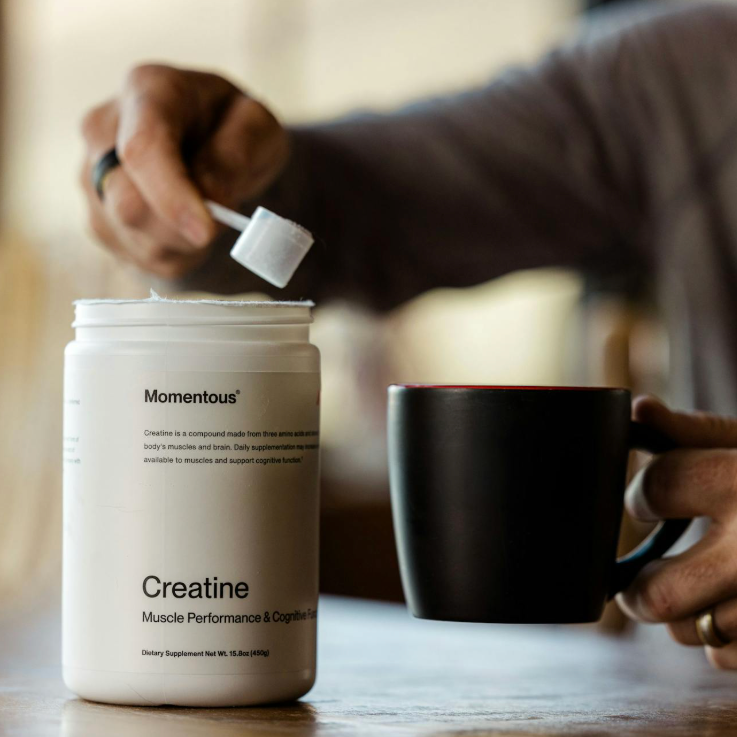
When it comes to sports supplements, very few have been studied as extensively as creatine monohydrate.
Despite decades of research demonstrating its safety and effectiveness, creatine is still surrounded by myths. Many people assume it’s only useful for bodybuilders or that it causes unhealthy weight gain.
Neither is true.
Whether you’re a CrossFit or HYROX athlete, recreational exerciser, older adult, or looking to support your overall health, creatine may be one of the most beneficial supplements you can take.
Here’s what the science says.
What Is Creatine?
Creatine is a naturally occurring compound produced by your liver, kidneys, and pancreas. It’s also found in foods like red meat and fish.
About 95% of your body’s creatine is stored in your muscles, where it’s used to rapidly regenerate ATP (adenosine triphosphate) - your body’s primary source of energy during short, high-intensity activities like sprinting, lifting weights, and jumping.
Supplementing with creatine monohydrate increases your muscles’ creatine stores, allowing you to produce energy more efficiently during demanding exercise.
Benefits of Creatine
Creatine has earned its reputation because the benefits are consistently supported by research.
Increased Strength and Power
Creatine helps your muscles produce energy more quickly during short bursts of intense activity.
Research has shown that creatine supplementation can improve high-intensity exercise performance by 5–15%, allowing many people to complete more repetitions, lift heavier weights, and train at a higher intensity.
Over time, these improvements often translate into greater strength gains.
Supports Muscle Growth
Creatine doesn’t directly build muscle.
Instead, it helps you train harder and recover more effectively, creating the conditions for greater muscle growth when combined with resistance training.
Because creatine also increases water inside muscle cells, muscles often appear fuller during supplementation. This is a normal and beneficial response; it is not body fat.
Faster Recovery
Emerging research suggests creatine may reduce muscle damage and inflammation following intense exercise.
Many athletes report feeling less sore between workouts, allowing them to maintain higher-quality training sessions throughout the week.
Brain Health and Cognitive Performance
One of the most exciting areas of creatine research involves the brain.
Because the brain also relies on creatine for energy, supplementation may help support:
- Memory
- Mental clarity
- Cognitive performance
- Reduced mental fatigue during periods of stress or sleep deprivation
Researchers are also investigating creatine’s potential role in supporting neurological conditions, although more research is still needed in this area.
Does Creatine Cause Weight Gain?
This is probably the most common concern people have.
The answer is yes, but not in the way most people think.
Creatine increases the amount of water stored inside your muscle cells.
As a result, many people gain 1–3 pounds during the first few weeks of supplementation.
This is not body fat.
It’s primarily increased intracellular water, which helps support muscle function and performance.
Over time, additional weight gain may occur from increased lean muscle mass as your training improves.
Is Creatine Safe?
Yes.
Creatine is one of the safest dietary supplements available and has been extensively studied for decades.
Research consistently shows that healthy adults can safely consume creatine for both short-term and long-term use when taken at recommended doses.
The largest misconception is that creatine damages healthy kidneys.
Current research does not support this claim in healthy individuals.
However, if you have existing kidney disease or another significant medical condition, it’s important to discuss supplementation with your physician before starting creatine.
How Much Creatine Should You Take?
For most people, the simplest approach is also the best.
Take:
3–5 grams of creatine monohydrate every day.
A loading phase is optional.
While consuming approximately 20 grams per day for 5–7 days can saturate your muscles more quickly, taking 3–5 grams daily will achieve the same result over several weeks with fewer digestive side effects.
The key is consistency.
Creatine works by gradually increasing your muscle stores over time - not by providing an immediate boost before a workout.
Should You Drink More Water?
Since creatine draws water into muscle cells, staying well hydrated is always a good idea, especially if you’re exercising regularly or training in hot weather.
Adequate hydration supports both performance and overall health.
Who Should Consider Taking Creatine?
Creatine can benefit much more than competitive athletes.
Research suggests it may be helpful for:
- CrossFit athletes
- HYROX athletes
- Strength athletes
- Recreational gym-goers
- Older adults looking to preserve muscle mass
- Vegetarians and vegans, who typically consume less creatine through food
- Anyone participating in regular resistance training
If your goal is to become stronger, build muscle, improve recovery, or support healthy aging, creatine deserves serious consideration.
Creatine isn’t just for bodybuilders.
It’s one of the most researched, safest, and most effective supplements available for improving strength, muscle growth, exercise performance, recovery, and even cognitive function.
When combined with consistent strength training, quality nutrition, and adequate sleep, creatine can help you get more from every workout.
Try Creatine Before Buying a Full Container
Not sure whether creatine is right for you?
At CrossFit 626, we make it easy to try before you commit.
Stop by our retail shop and pick up a single serving of premium creatine monohydrate. It’s an affordable way to see how easily it fits into your daily routine before purchasing a full container.
Whether you’re training for your first CrossFit workout or looking to improve your recovery between sessions, creatine can be one of the simplest and most effective additions to your nutrition plan.