Self-Myofascial Release: How Foam Rolling Can Improve Mobility and Recovery
Pam Eamranond
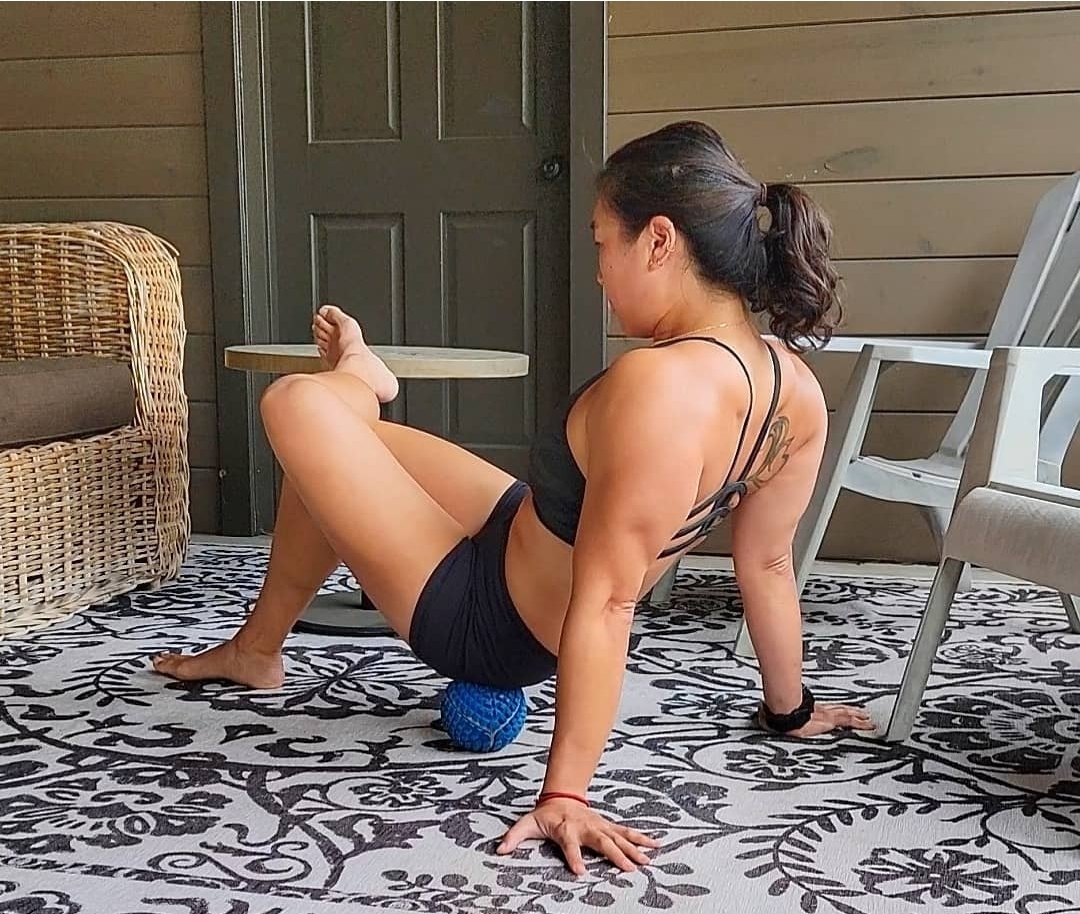
If you’ve ever finished a hard workout feeling tight, sore, or less mobile than usual, you’ve probably reached for a foam roller.
Foam rolling is one of the most accessible forms of self-myofascial release (SMR). With nothing more than your body weight and a simple tool, you can spend a few minutes working on areas that feel stiff or restricted.
But what is SMR actually doing?
Does foam rolling really “break up knots”? Can it improve flexibility? Should you do it before or after a workout?
Let’s take a closer look at what self-myofascial release can and can’t do for your training and recovery.
What Is Self-Myofascial Release?
Self-myofascial release (SMR) is a technique that uses tools such as foam rollers, massage balls, and massage sticks to apply pressure to muscles and surrounding connective tissue.
The goal isn’t necessarily to physically “break up” fascia or muscle knots. Instead, the pressure appears to influence how you perceive discomfort and how your nervous system responds to movement and pressure.
The result can be a temporary improvement in range of motion, flexibility, and how comfortable a movement feels.
That’s particularly useful before training when you want to move more freely without sacrificing strength or performance.
What Are the Benefits of Foam Rolling?
Research on foam rolling suggests several potential benefits, particularly when it is used as part of a larger warm-up or recovery routine.
1. Improved Short-Term Mobility
One of the most useful benefits of SMR is its ability to temporarily increase range of motion.
For example, spending a few minutes working on your calves, quadriceps, or hips may make certain movements feel easier afterward.
Unlike prolonged static stretching, foam rolling can improve range of motion without necessarily reducing muscle performance.
That’s one reason it can be useful before strength training, CrossFit, running, or other activities that require mobility.
2. Reduced Muscle Soreness
Foam rolling may also help reduce the perception of delayed-onset muscle soreness (DOMS) following demanding exercise.
If you’ve had a particularly challenging training session, a few minutes of light rolling the following day may make your muscles feel less stiff and uncomfortable.
It won’t magically eliminate soreness, but it can be a useful recovery tool.
3. Improved Perception of Movement
Sometimes the biggest benefit of SMR is simply that you feel better.
A muscle that feels tight or uncomfortable can change the way you move. After foam rolling, movement may feel smoother or less restricted.
This doesn’t necessarily mean you’ve physically changed the structure of the tissue. Instead, your nervous system may be allowing you to move through a greater range of motion with less discomfort.
What Foam Rolling Doesn't Do
There are plenty of exaggerated claims surrounding myofascial release.
Foam rolling doesn’t literally “flush toxins” from your muscles, permanently lengthen your fascia, or guarantee that you’ll prevent an injury.
Think of SMR as a tool for improving how you feel and move, rather than a way to permanently remodel your body in a few minutes.
It’s one piece of a larger approach to mobility, recovery, and training.
Choosing the Right SMR Tool
You don’t need an entire collection of expensive recovery equipment.
Different tools simply provide different levels of pressure and precision.
Standard Foam Roller
Best for: Large muscle groups such as the quadriceps, glutes, hamstrings, and upper back.
A standard foam roller provides a broad surface area and is a great place to start if you’re new to SMR.
Textured or High-Density Roller
Best for: People who prefer firmer pressure.
Textured rollers can feel more intense, but more pressure isn’t necessarily better. The goal is to find a level of pressure that you can tolerate while remaining relaxed.
Massage Ball
Best for: Smaller, more targeted areas.
A massage ball can be useful for areas such as the feet, calves, glutes, and upper back where a large foam roller may be difficult to maneuver.
Massage Stick
Best for: Targeted work on larger muscles.
A massage stick gives you more control over how much pressure you apply and can be particularly useful for the quadriceps, calves, and hamstrings.
How to Foam Roll Effectively
More isn’t necessarily better when it comes to SMR.
Try these guidelines:
Start Broad, Then Get Specific
Begin with a foam roller to work through a larger muscle group. If you find a particularly sensitive area, you can use a smaller tool for more targeted pressure.
Use Slow, Controlled Movements
There’s no need to rapidly roll back and forth.
Move slowly and pay attention to how the tissue feels. If you find a tender area, you can pause there for several breaths rather than aggressively attacking it.
Don’t Try to “Destroy” a Knot
SMR shouldn’t feel unbearable.
Some pressure or discomfort is normal, but sharp, intense, or worsening pain is a signal to stop.
A good rule is:
You should be able to relax while you’re doing it.
If you’re holding your breath, clenching your muscles, or grimacing through the entire process, you’re probably using too much pressure.
Breathe
Slow, deep breathing can help you relax while applying pressure.
The goal is to encourage your body to tolerate the movement and pressure, not to create as much pain as possible.
When Should You Use Self-Myofascial Release?
SMR can fit into different parts of your training routine.
Before Your Workout
Use foam rolling as part of a dynamic warm-up.
A few minutes of SMR followed by active mobility exercises can help you prepare for the movements you’re about to perform.
After Your Workout
Post-workout SMR may help reduce the feeling of muscle soreness and stiffness.
It’s also a convenient way to transition from a hard training session into recovery.
On Rest Days
You don’t have to wait until you’re sore to use a foam roller.
Five to ten minutes of light SMR can be a simple way to move through areas that feel stiff, particularly if you spend much of your day sitting.
SMR for Different Types of People
For Athletes
Use a combination of a foam roller and targeted massage ball.
Focus on the muscle groups you’ll be using during training and avoid spending excessive time on any single area.
For Desk Workers
If you’re sitting for much of the day, try incorporating a short daily routine focusing on the upper back, hips, and other areas that tend to feel stiff from prolonged sitting.
For Fitness Enthusiasts
Combine SMR with dynamic mobility work.
For example, you might foam roll your quadriceps and calves before training, then follow it with bodyweight squats, lunges, or other movement-specific drills.
For Runners and Endurance Athletes
Runners often incorporate SMR into their recovery routines, particularly around the calves, quadriceps, hamstrings, and glutes.
Again, the goal is to improve how you feel and move, not to aggressively “break up” tissue.
SMR Do's and Don'ts
DO:
- Start with moderate pressure.
- Move slowly and deliberately.
- Use SMR as part of your warm-up or recovery routine.
- Combine foam rolling with active mobility exercises.
- Pay attention to how your body responds.
DON’T:
- Roll directly over acute injuries.
- Apply intense pressure to swollen or bruised areas.
- Roll directly over bones or joints.
- Assume more pain means better results.
- Use SMR as a replacement for proper training, recovery, or medical treatment.
If you have a significant injury or persistent pain, consult a qualified healthcare professional rather than trying to treat the problem yourself with a foam roller.
The Bottom Line
Self-myofascial release is a simple, inexpensive tool that can help you move and feel better.
Foam rolling and targeted massage tools can temporarily improve range of motion, reduce perceived muscle soreness, and help you prepare for or recover from training.
You don’t need to spend 30 minutes rolling every muscle in your body.
For most people, 5–15 minutes is plenty.
Use SMR strategically, combine it with strength training and active mobility, and pay attention to how your body responds.
At CrossFit 626, we believe recovery isn’t about finding one magic tool. It’s about building a complete approach that includes quality training, mobility, nutrition, sleep, and consistency. SMR can be one simple piece of that bigger picture.